• The Team
  • The Other City: About
  • Behind Bars Blog
  • The Other City: Working Groups
    • About
    • Key Issues Blog
    • The Papers of Julia Schwendinger and Herman Schwendinger
    • A Note on the Berkeley School of Criminology
    • About the Schwendinger's: From 50 Key Thinkers in Critical Criminology
    • The Obituaries of Hi and Julia
    • Looking Back: Reflecting on The Birth of Radical Criminology at Berkeley
    • The Radical Caucus at the ASA
  • Critical Criminologist Archive
  • Publications
Menu

The Critical Social History Project

BMW, Suite 601
New York City
Phone Number

Your Custom Text Here

The Critical Social History Project

  • The Team
  • The Other City: About
  • Behind Bars Blog
  • The Other City: Working Groups
  • Preserving Justice
    • About
    • Key Issues Blog
  • The Papers of Julia Schwendinger and Herman Schwendinger
    • The Papers of Julia Schwendinger and Herman Schwendinger
    • A Note on the Berkeley School of Criminology
    • About the Schwendinger's: From 50 Key Thinkers in Critical Criminology
    • The Obituaries of Hi and Julia
    • Looking Back: Reflecting on The Birth of Radical Criminology at Berkeley
    • The Radical Caucus at the ASA
  • Critical Criminologist Archive
  • Publications
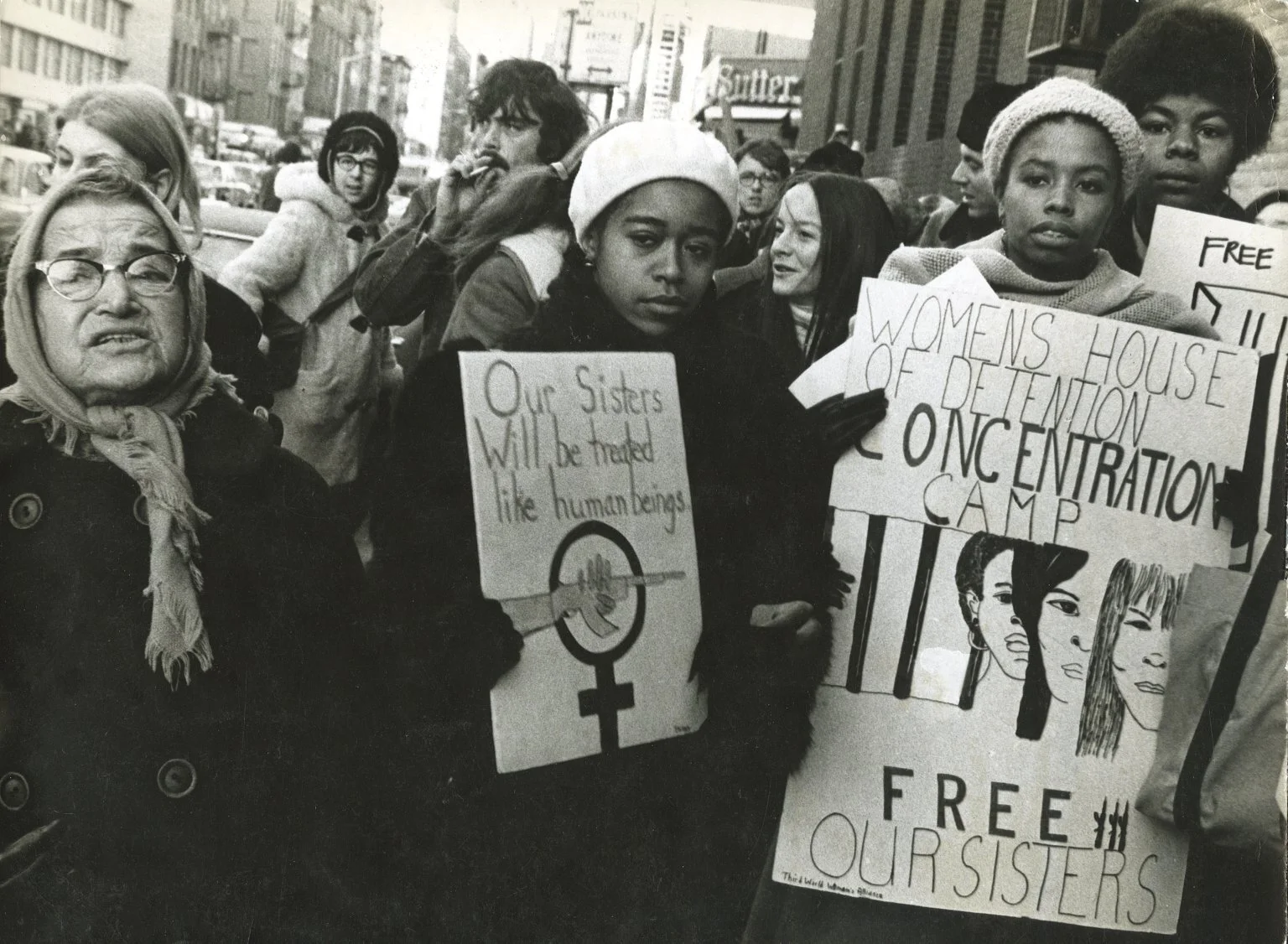
 This project’s mission is to lend a voice to those who are silenced even within the prison industrial complex. Facilities for men often take precedence over those for women. This project uses the stories of women who were incarcerated in order to te

The History of Women's Incarceration in New York
The History of Women's Incarceration in New York

 This project’s mission is to lend a voice to those who are silenced even within the prison industrial complex. Facilities for men often take precedence over those for women. This project uses the stories of women who were incarcerated in order to te

This project’s mission is to lend a voice to those who are silenced even within the prison industrial complex. Facilities for men often take precedence over those for women. This project uses the stories of women who were incarcerated in order to tell the history from the perspective of those who it effects the most. From the Jefferson Market Jail in 1832 to the Rose M. Singer Center, which opened in 1988 and operates to this day, the history of women’s incarceration in New York has always been a unique and seldom told story.