• The Team
  • The Other City: About
  • Behind Bars Blog
  • The Other City: Working Groups
    • About
    • Key Issues Blog
    • The Papers of Julia Schwendinger and Herman Schwendinger
    • A Note on the Berkeley School of Criminology
    • About the Schwendinger's: From 50 Key Thinkers in Critical Criminology
    • The Obituaries of Hi and Julia
    • Looking Back: Reflecting on The Birth of Radical Criminology at Berkeley
    • The Radical Caucus at the ASA
  • Critical Criminologist Archive
  • Publications
Menu

The Critical Social History Project

BMW, Suite 601
New York City
Phone Number

Your Custom Text Here

The Critical Social History Project

  • The Team
  • The Other City: About
  • Behind Bars Blog
  • The Other City: Working Groups
  • Preserving Justice
    • About
    • Key Issues Blog
  • The Papers of Julia Schwendinger and Herman Schwendinger
    • The Papers of Julia Schwendinger and Herman Schwendinger
    • A Note on the Berkeley School of Criminology
    • About the Schwendinger's: From 50 Key Thinkers in Critical Criminology
    • The Obituaries of Hi and Julia
    • Looking Back: Reflecting on The Birth of Radical Criminology at Berkeley
    • The Radical Caucus at the ASA
  • Critical Criminologist Archive
  • Publications
Rikers Island: From Indigenous Land to POW Camp

Rikers Island History: From Indigenous land to POW Camp
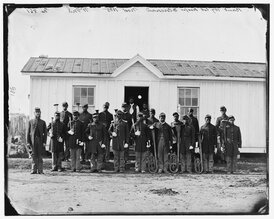
Rikers Island History: From Indigenous land to POW Camp

Rikers Island: From Indigenous Land to POW Camp

Rikers Island: From Indigenous Land to POW Camp

Rikers Island forms part of the historic homeland of the Lenape people, before being overtaken by the Dutch in the 1600s. The island was later used as an outpost for the Dutch colonialists, and a key station in their conflict against indigenous communities in the area. In subsequent decades, the island was converted into a training facility, notably for the 26th Regiment of the U.S. Colored Troops and a POW facility for Confederate soldiers. This working group aims to trace the utilization of this space by city and federal authorities, and the development up to the current day.